Hidden Construction Steps Most Contractors Skip (That Lead to Failure)
What you don’t see in construction is what matters most. These hidden steps are the difference between a structure that lasts and one that fails.
Scott Egbert SAE Builders
5/2/20263 min read
Most construction failures don’t come from one big mistake.
They come from small, critical steps that were skipped.
These are the details you don’t see when a project is finished.
But they determine whether it lasts… or fails.
Everything starts at the ground.
Common issues:
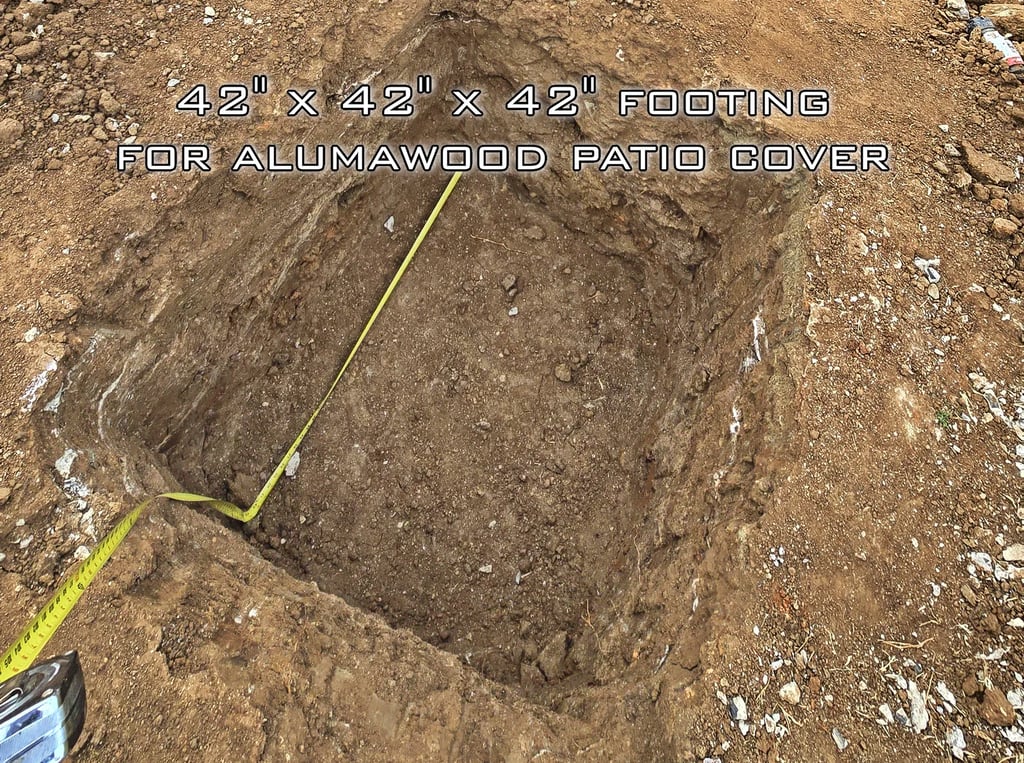
Undersized footings
Improper depth
Poor placement
This leads to movement, cracking, and structural stress.
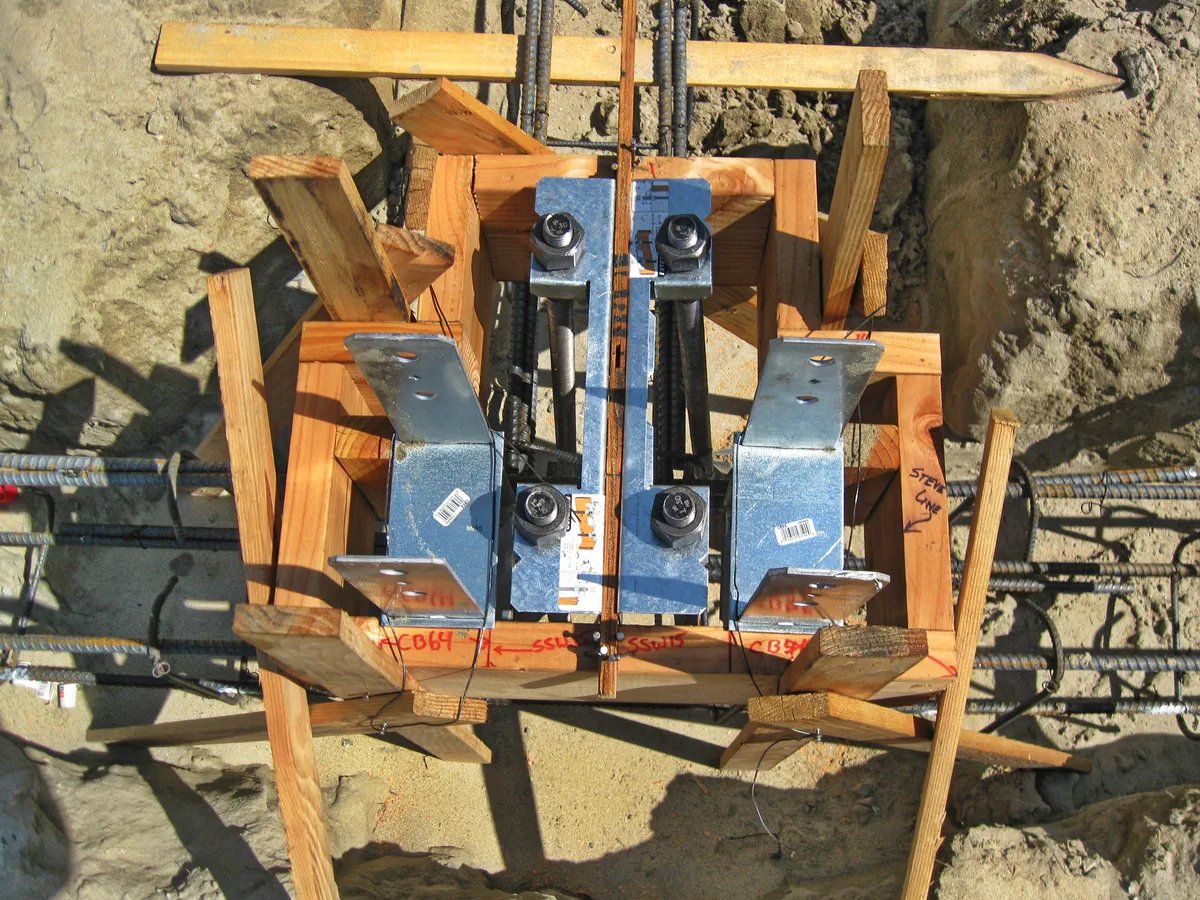
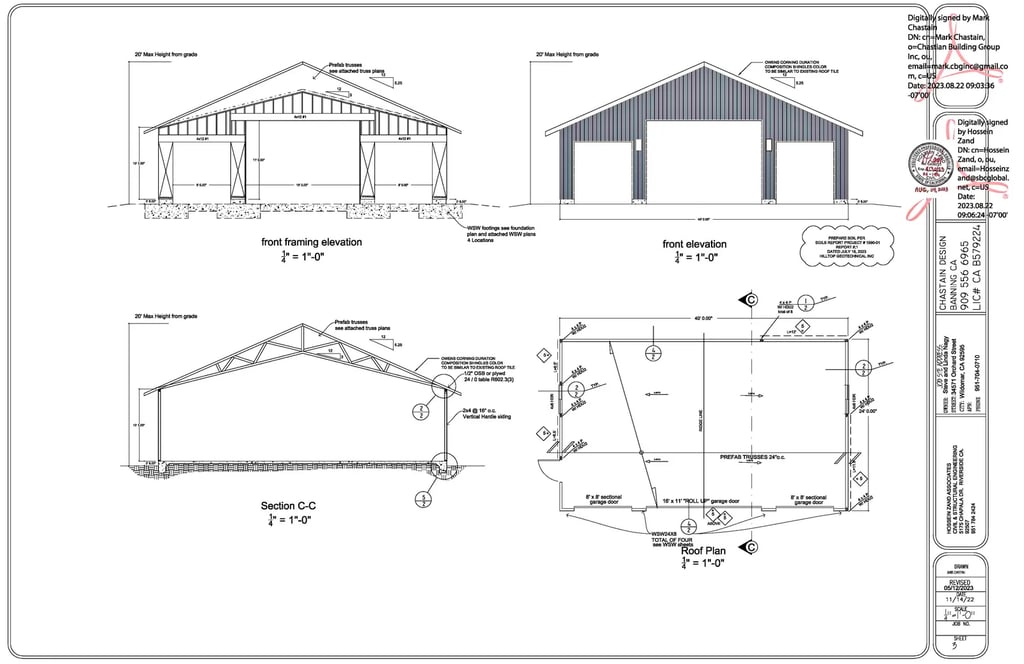
A proper footing is designed for structural loads, soil conditions, and wind uplift, not guesswork.
Footings: Where Problems Begin
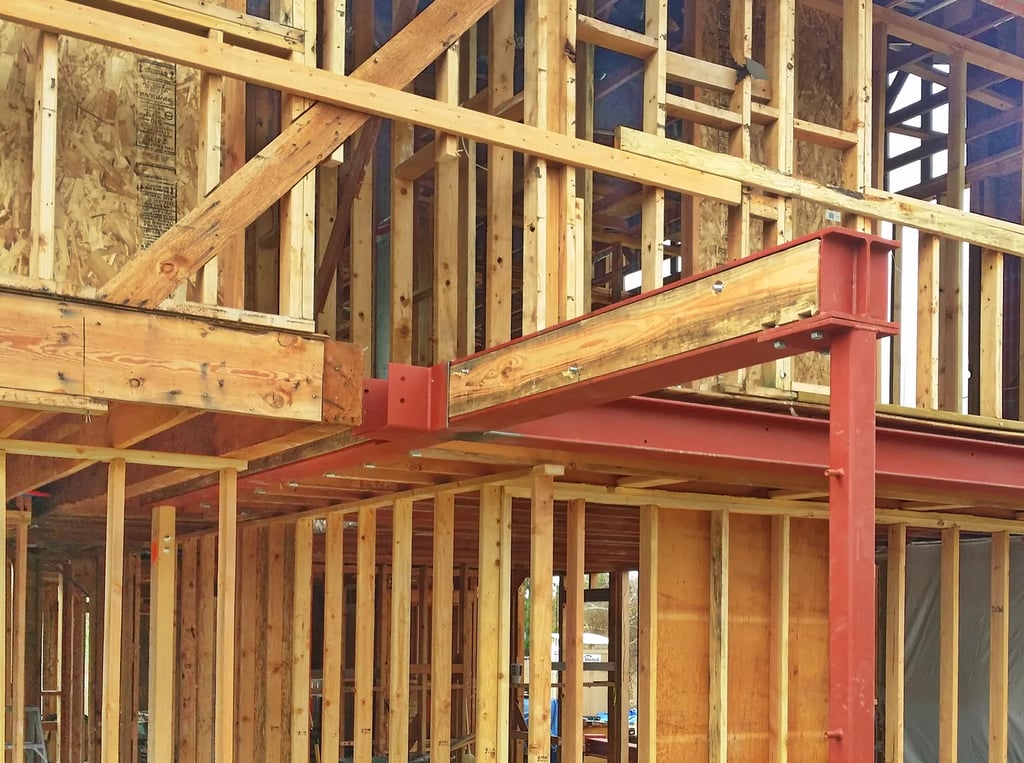
Framing carries the load.
Shortcuts include:
Undersized posts
Weak beam spans
Poor connections
These may hold temporarily, but failure builds over time.
Proper framing creates a continuous load path and uses correctly sized materials.
Structural Framing: Strength Behind the Finish
This is one of the most common failure areas.
Mistakes include:
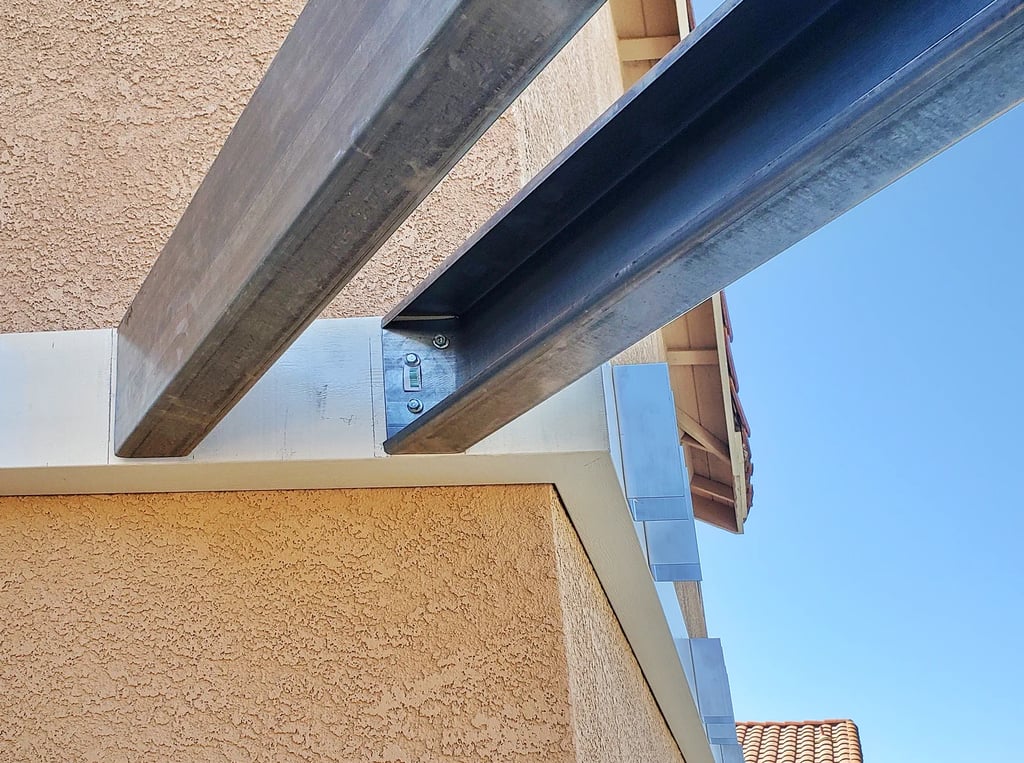
Attaching to fascia without proper spans, reinforcement, and fastening design
Improper ledger installation, leading to water intrusion and concealed structural damage
Inadequate fastening design, including incorrect fastener type, length, and spacing
When this fails, the entire structure is compromised.
Correct attachment ties directly into the structural framing of the home.
Attaching to the Home: Critical Connection Points
Water damage is expensive and preventable.
Common failures:
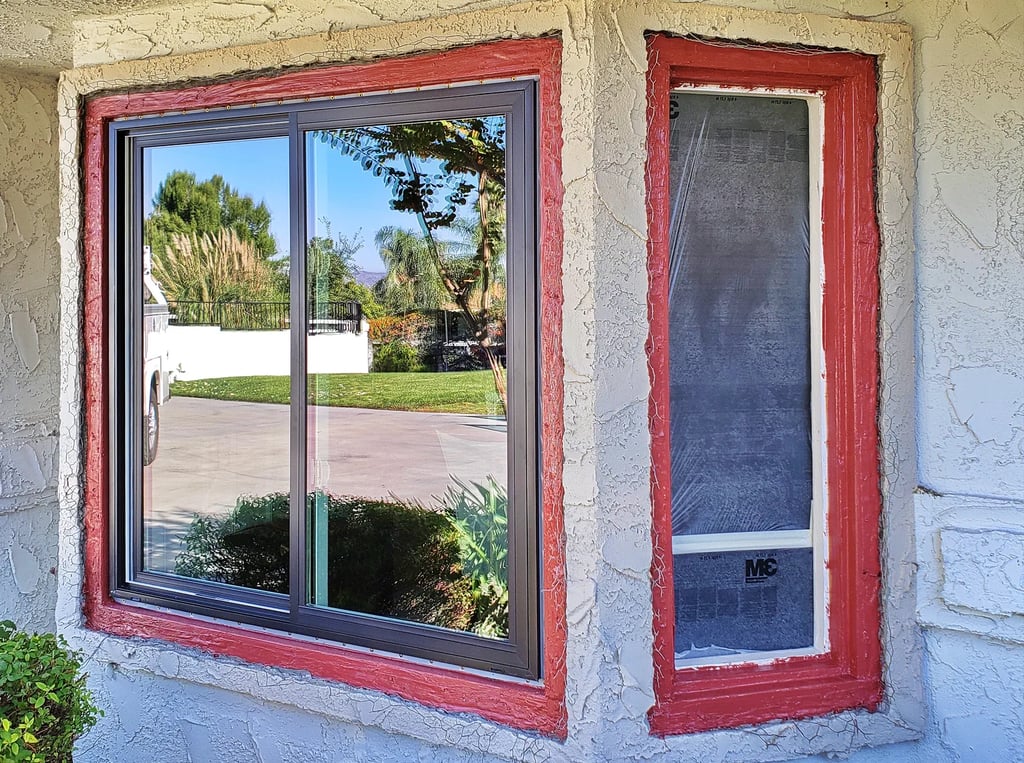
Improperly installed or missing flashing, allowing water intrusion
Poor sealing due to improper sealant selection, application method, or surface prep
Rushed installations with critical steps skipped
Proper waterproofing includes layered protection and integration with surrounding materials.
High-performance systems like liquid flashing create a continuous seal around openings and penetrations.
Waterproofing: The Most Overlooked Step
Building to code is the baseline, not an upgrade.
Skipping this leads to:
Permit complications later when projects are not properly permitted upfront
Structural deficiencies caused by not adhering to product engineering and specifications
Expensive corrective work, sometimes requiring complete removal and rebuild
Engineering ensures loads, materials, and methods are correct from the start.
Engineering and Code Compliance
What Actually Matters
The most important parts of construction are:
Below grade (footings, post embedment, and concrete depth below the surface)
Behind finishes (framing, blocking, fasteners, and concealed structural connections)
Inside connections (how structural loads are transferred through connectors and components)
These are also the most commonly skipped.
A well-built structure performs long after it’s finished.
That requires:
Following proper steps, even when they add time and aren’t visible in the finished project
Using the right materials, selected for performance and long-term durability, not just cost
Not cutting corners, especially in structural, waterproofing, and connection details where failures start
Because shortcuts don’t save money.
They just delay the cost.
Built to Last